Creating Something Meaningful with Vibe Coding
As a musician playing in multiple acts, I spend a lot of time learning new material. Honestly, the standard workflow—struggling with recordings or scrubbing through YouTube videos to hear a particular part of a composition—has always been a frustration.
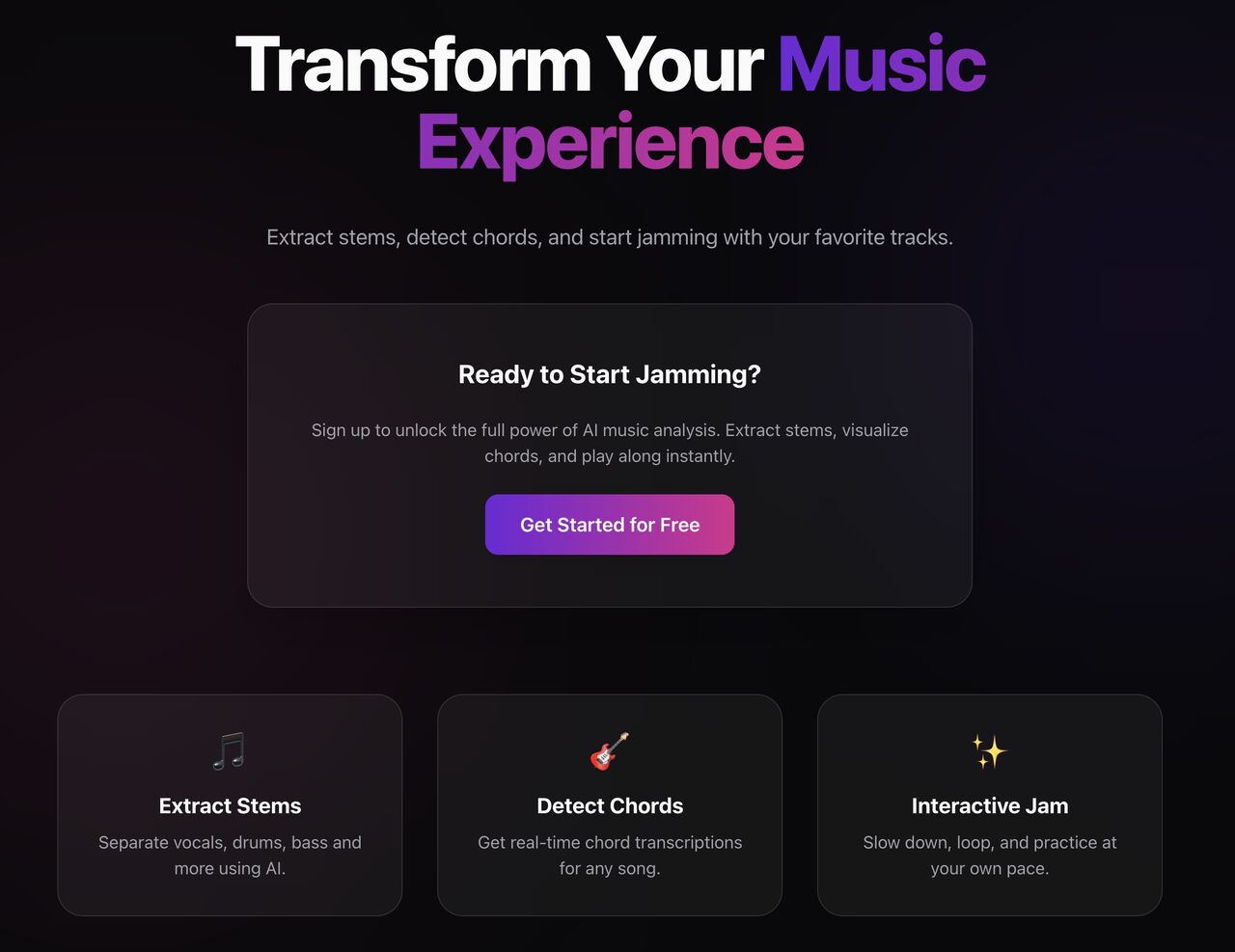
That personal pain point is what led me to build a simple tool, serving a simple purpose: Practice. I went hands-on to create a tool called Musicurious AI.
Sharing my process here is important because it was fundamentally different from how I’ve built software in the past.
The “Vibe-Coding” Shift
I used an AI coding agent to handle the heavy lifting of the implementation. This “vibe-coding” approach allowed me to act more like a Product Manager and Architect, focusing on the “what” and “why” of the build, rather than getting bogged down in every line of syntax.
The Problem
The idea came from a simple observation: practicing with static sound files or YouTube videos is deeply limiting.
- You cannot hear individual instruments clearly.
- You cannot shift the tone easily.
- You cannot slow down the drums without distorting the sound.
- You lack a visual map of the song structure.
I spoke with fellow musicians early on, and their feedback aligned perfectly. They didn’t just want a better audio player; they wanted to take their practice sessions several steps further.
Building for Production
Even with AI assistance, I ensured this wasn’t just a prototype. It had to be production-ready.
- AI Integration: I designed a pipeline using Demucs (a specialized AI model) to separate audio stems and filter them cleanly.
- Architecture: I architected it to be server-less and scalable from day one, handling heavy media processing without the headache of managing servers.
- Deployment-Ready: I made the app deployable on the Vercel platform from the start, ensuring cloud and deployment readiness immediately.
The Outcome
It’s been an interesting experiment. By offloading the coding grunt work to AI, I could focus entirely on talking to users and ensuring the architecture and implementation were solid.
If you’re curious about the code or the stack, the project is open-source here: https://github.com/onurersen/musicurious-ai